Enhancing Efficiency in Abu Dhabi with District Cooling Systems
- Trane Abudhabi
- Sep 4, 2025
- 3 min read

Introduction
Abu Dhabi’s thriving economy, fueled by sectors such as real estate, tourism, and healthcare, relies heavily on efficient cooling to sustain growth in one of the world’s hottest climates. With summer temperatures often exceeding 45°C, traditional cooling methods place immense strain on infrastructure, energy resources, and operating budgets. To address these challenges, many organizations are turning to a district cooling system, a solution that provides centralized efficiency while supporting the capital’s long-term sustainability goals.

The Challenge of Cooling in Extreme Climates
Cooling in Abu Dhabi is not a seasonal requirement but a year-round necessity. Prolonged periods of high humidity and soaring heat push conventional cooling systems to their limits. Businesses face increasing energy bills, frequent maintenance costs, and the challenge of staying aligned with the UAE’s ambitious energy and climate policies. These pressures make it essential for enterprises to look beyond conventional methods and adopt smarter, scalable alternatives that deliver both reliability and efficiency.
How District Cooling Creates Value
A district cooling system produces chilled water in a central plant and distributes it through an insulated pipeline network to multiple buildings or facilities. This eliminates the inefficiencies of individual cooling units, achieving economies of scale while stabilizing energy consumption. In Abu Dhabi, where sustainable infrastructure is central to urban development, this approach aligns seamlessly with initiatives such as the UAE Energy Strategy 2050. For investors and operators, the benefits extend to improved asset value, predictable operating costs, and enhanced compliance with environmental regulations.
Benefits Beyond Energy Savings
The advantages of district cooling extend far beyond lower electricity bills. By reducing peak energy demand, it alleviates stress on Abu Dhabi’s power grid, ensuring resilience during periods of extreme heat. It also helps cut greenhouse gas emissions, reinforcing the UAE’s commitment to achieving net-zero targets by 2050. End-users benefit from uninterrupted comfort, improved indoor air quality, and fewer system failures, while businesses gain operational stability and long-term cost predictability.
Industry Applications Across Abu Dhabi
The versatility of district cooling makes it suitable for multiple sectors. In real estate, it enables mixed-use developments, residential communities, and retail centers to operate with greater efficiency. In hospitality, hotels can maintain high guest satisfaction while controlling utility costs. In healthcare, continuous cooling ensures patient safety and medical equipment reliability. For industrial applications, stable temperature management improves output quality and extends equipment lifespan. Each sector gains strategic value by integrating district cooling into its operations.
Addressing Temporary and Seasonal Demands
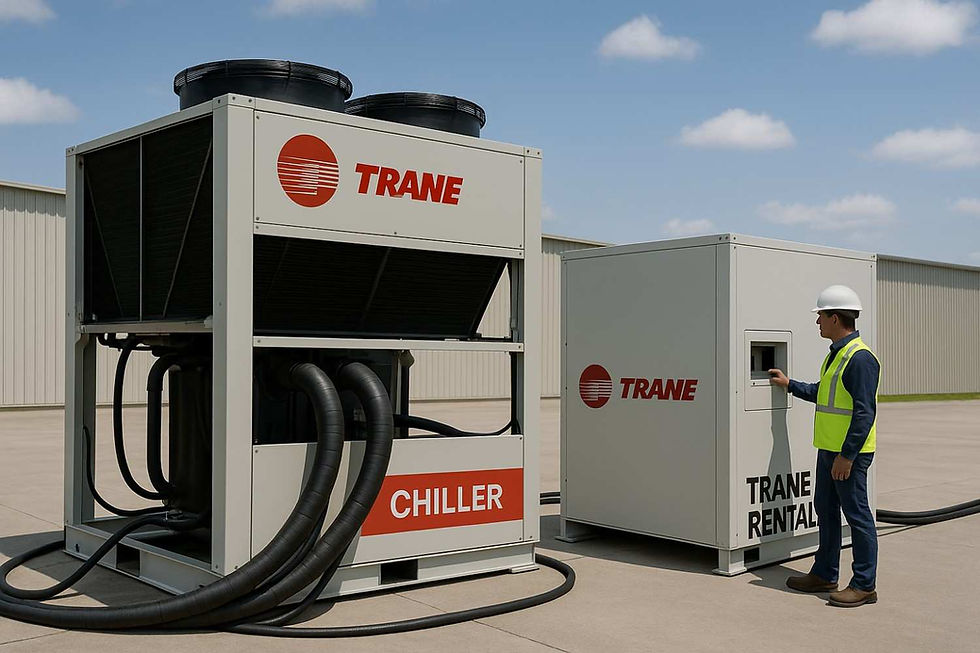
Although district cooling offers long-term efficiency, many businesses require short-term or supplemental solutions during peak demand periods, facility upgrades, or special events. Abu Dhabi’s event-driven economy, including large exhibitions and conferences, often calls for flexible cooling options that can be deployed quickly. This is where chiller rental services become essential, providing scalable cooling capacity without major infrastructure changes. By combining permanent district cooling with temporary solutions, organizations can adapt to shifting demands while ensuring continuous performance.
Supporting Abu Dhabi’s Growth Agenda
As Abu Dhabi positions itself as a hub for global business and tourism, the integration of district cooling into master developments is becoming a cornerstone of the emirate’s growth strategy. From iconic hospitality projects on Saadiyat Island to large government facilities, district cooling is being embedded into urban planning to improve efficiency and reduce environmental impact. For businesses, this represents more than an operational choice, it is a way to align with national sustainability priorities, enhance reputation, and secure long-term competitiveness.
Conclusion
Cooling remains a mission-critical factor in Abu Dhabi’s progress, shaping the comfort, productivity, and resilience of its industries. Organizations investing in long-term infrastructure like district cooling gain efficiency, cost savings, and alignment with sustainability objectives. At the same time, those facing seasonal surges or short-term operational requirements can turn to outdoor air cooler rental, a flexible solution that ensures reliable performance while avoiding unnecessary capital expenses. Together, these approaches provide the balance needed to thrive in Abu Dhabi’s demanding climate and competitive marketplace.

Comments